在菲律宾,地方的砂石原材料以河卵石为主。这不同于大多数需要钻探和爆破的采矿项目:河卵石是通过长时间的河流运输、洗涤和圆润形成的,具有连续的级配和自然的圆润形状。原材料中自然含有相当比例的细粒级骨料和人工砂料,可以直接作为成品销售,而卵石的表面通常覆盖有河床淤泥和粘土。
These characteristics determine that the starting point of river pebble crushing plant design is not "how to crush," but "what doesn't need to be crushed." If the "crush-before-screen" process of mined raw materials were copied directly, the finished 产品 already present in the feed would be crushed repeatedly, wasting crushing capacity, accelerating wear parts consumption, and breaking naturally rounded aggregate, which could be sold directly, into flaky and elongated particles. Product quality would decline rather than improve. The correct approach is: screen before crushing.
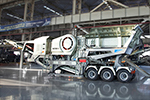
The 200–250 TPH river pebble crushing plant designed by ZENITH for its Philippine client is the complete implementation of this "screen-before-crush" approach, and its design has become the standard configuration for similar projects in the Philippines.
.jpg)
· Raw material processed: River pebbles
· Feed size: 0–630 mm, continuous gradation
· Design capacity: 200–250 TPH, stationary installation
· Product specifications: 0-5-10-20-38 mm
· Quality standards: Manufactured sand (0–5mm) complies with ASTM C33 requirements for fine aggregate. All other coarse aggregates meet ASTM C33 specifications for coarse aggregate, conforming to Philippine concrete engineering standards.
在生产线的总体设计中,有两个因素直接源于原材料的特性,且决定了整个生产线的形式:
The feed contains finished product. 河卵石在自然运输过程中已经完成了自然分类。相当一部分原料已达到合格的粒度范围。设计必须允许这些材料绕过破碎机,直接进入筛分阶段。这既节省了破碎能力,也保障了成品的质量。
原材料含有粘土。 Pebbles extracted from riverbeds have silt and clay adhering to their surfaces. Dry-process screening is highly prone to screen blinding, and finished product cleanliness can hardly meet standards. Therefore, the project adopts a wet-process production, with sand washing equipment configured at the screening stage, allowing desliming and classification to be completed simultaneously.
该生产线的喂料阶段执行第一次筛选功能。
River pebbles are dumped by dump truck into the raw material bin, then conveyed continuously and steadily by the ZENITH F5X vibrating feeder to the PE 颚式破碎机 for primary crushing. The key design lies in the feeder's discharge hopper: the small material and finished 产品 in the feed that already meet the size requirements slide directly from the feeder's discharge hopper onto the main 皮带输送机, merging with the 颚式破碎机 discharge, and together enter the finished product screen for screening.
这是“筛 before 粉碎”的物理实现,即合格材料在原材料中自然存在,完全无需经过任何破碎机。
与传统的“先破碎后筛分”工艺相比,这带来了三重好处:
颚式破碎机和圆锥破碎机的有效容量完全用于真正需要破碎的大料,在相同容量下实现更经济的设备规格。
2. 破碎机负载减轻,易损件的消耗也相应减少。
3. 自然成圆的小型骨料不再被碾碎成棱角状的颗粒,而是以优质成品的形式直接进入市场。
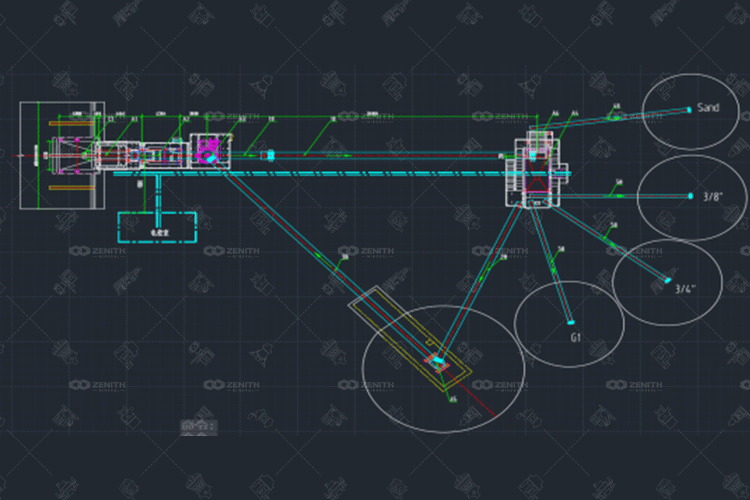
破碎模块由F5X振动给料机、PE颚式破碎机和HPT圆锥破碎机组成。
初级破碎由颚式破碎机完成,处理在给料阶段未绕过的大型河卵石。二级及细碎由圆锥破碎机负责,这一选择直接关系到河卵石的材料特性:河卵石的主要矿物成分具有高硬度和高磨蚀性。在冲击式破碎原理下的击击式易损件(如冲击棒)在此类材料上消耗极快。圆锥破碎机采用颗粒间的压碎破碎原理,材料通过凹槽和动锥之间的压缩被破碎,其易损件对高磨蚀性材料具有良好的适应性,且使用寿命长。对于像河卵石这样的硬质磨蚀性材料,颚式破碎机的初级破碎加上圆锥破碎机的二级和细碎已成为一种成熟的、在行业中广泛使用的组合方案。
The crushed material enters the finished product screen through one main 皮带输送机 for screening: 0–5 mm finished sand, after washing, is conveyed together with the 5–10 mm, 10–20 mm, and 20–38 mm fractions by the finished product belts to the stockpiles; material larger than 31.5 mm is conveyed to the transfer stockpile to await return to the 圆锥破碎机, forming a closed-circuit crushing loop that ensures all final 产品 meet the required specifications.
The screening and washing module are equipped with one ZENITH S5X 振动筛 and one XSD sand washer — the execution core of the wet process.
Screening handles the classification of multiple finished product sizes; the sand washer addresses the critical process step for clay-bearing raw material — the 0–5 mm manufactured sand is washed to remove surface-adhered silt and fines before joining the various crushed stone fractions in the finished product stockpiles. For construction sand, clay content is one of the core indicators. Wet sand washing is the most direct and effective process route for handling clay-bearing river pebble raw material. Meanwhile, washed manufactured sand, with its performance in gradation and cleanliness, more easily meets the requirements for high-grade concrete sand.
生产线最终形成“破碎模块 +筛分和清洗模块 +成品”的一体化结构。
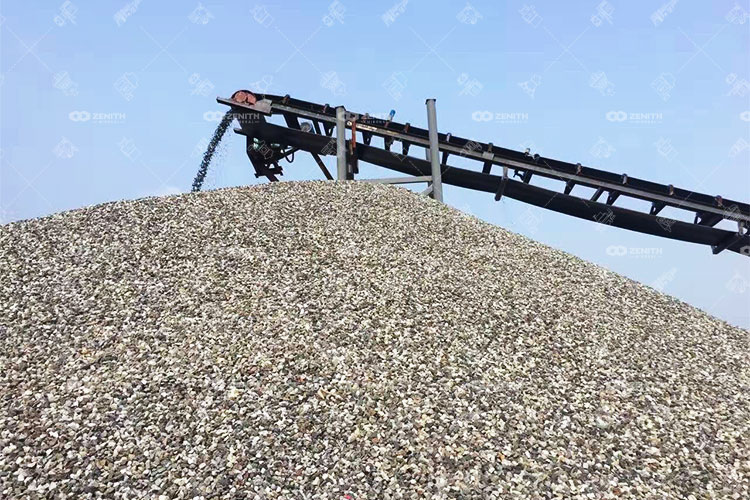
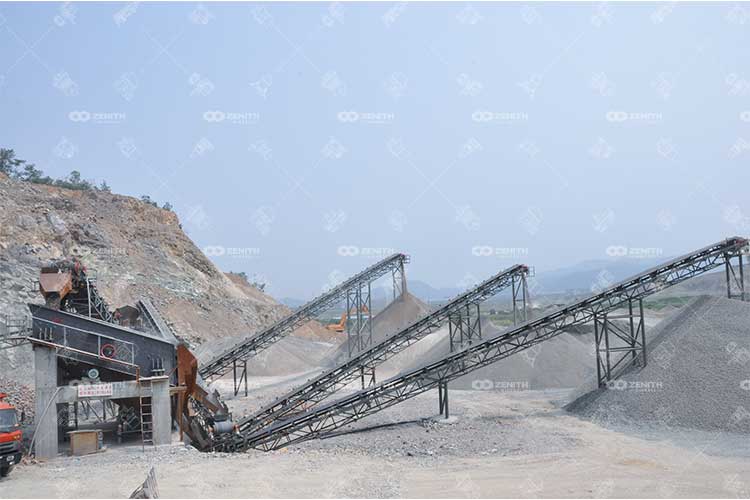
由于采用屏幕前破碎设计和模块化布局,整个闭路破碎系统仅用三条主皮带输送机连接。
在传统布局中,给料、一次破碎排料、二级/细碎给料、筛分返料和成品输送各自拥有独立的皮带输送机,数量通常是多倍的。该生产线通过小料旁路槽(省略一个喂料分支输送机)、集中设备布置(缩短并合并输送路径)以及将电气控制室直接设置在主要用能设备下方(缩短电缆敷设距离),将输送系统投资压缩到尽可能简便的形式。
这种“简化”设计在当地市场上非常受欢迎,已成为菲律宾河卵石项目的标准配置。
The design wisdom of river pebble projects lies in: recognizing the aggregates already present in the raw material — "screen before crushing" — and letting them bypass the crushers and go straight to market; recognizing the highly abrasive nature of the material and replacing impact crushing with the inter-particle compression crushing of a 圆锥破碎机; recognizing the clay-bearing reality of the raw material and using wet-process sand washing to ensure finished product cleanliness. The 200–250 TPH river pebbles crushing plant designed by ZENITH for its Philippine client fully embodies this design wisdom.
ZENITH为河流卵石项目提供完整的设备套装和集成生产线设计能力。如果您的原材料以河流卵石为主,欢迎随时与我们联系,获取定制的工艺方案。


印度尼西亚是东南亚最大的集料市场之一,岩石集料项目现场常常面临地形起伏、雨季漫长以及电力供应不稳定等挑战。以ZENITH在雅加达交付的450–500吨/小时岩石集料项目为案例,本篇文章详细介绍了该生产线的工艺配置和关键设计决策,以及在东南亚类似项目早期方案设计中值得关注的实施要点。
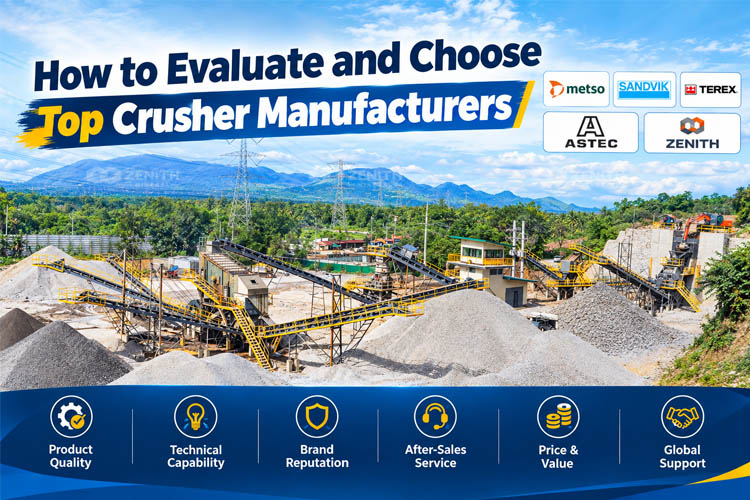
关于评估和选择顶级破碎机制造商的全面采购指南。涵盖资本支出(CAPEX)与总拥有成本(TCO)分析、备件供应链、流程集成以及对比梅斯托(Metso)、山特维克(Sandvik)、特雷克斯(Terex)、阿斯特克(Astec)和中兴(ZENITH)。
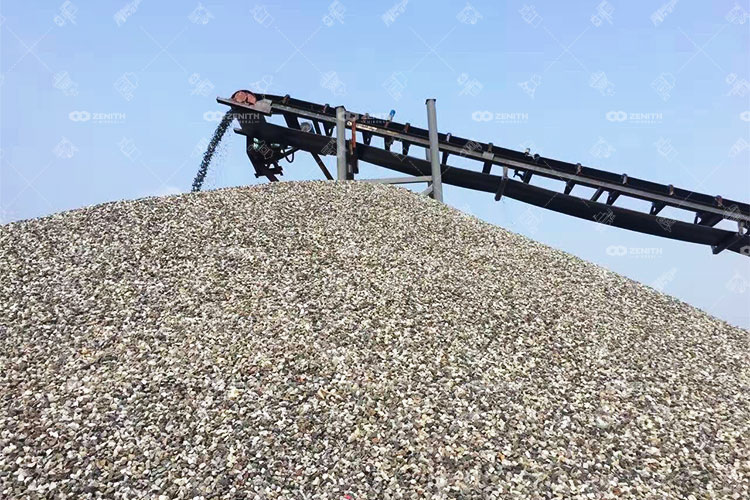
以ZENITH多次在菲律宾应用的河卵石破碎厂为例,本文阐述了“筛分优先破碎”工艺的完整逻辑,以及整个生产线如何通过简洁的布局仅使用三条主要皮带输送机来控制投资。对于以河卵石为原料的项目,此做法具有直接的设计参考价值。
请在此填写您的需求,我们将通过预留的联系方式向您发送定制方案和报价。
版权所有 ©2000-2026 上海天择矿业有限公司

 WhatsApp

 全天候在线
全天候在线