尼日利亚碎石的价格是多少?
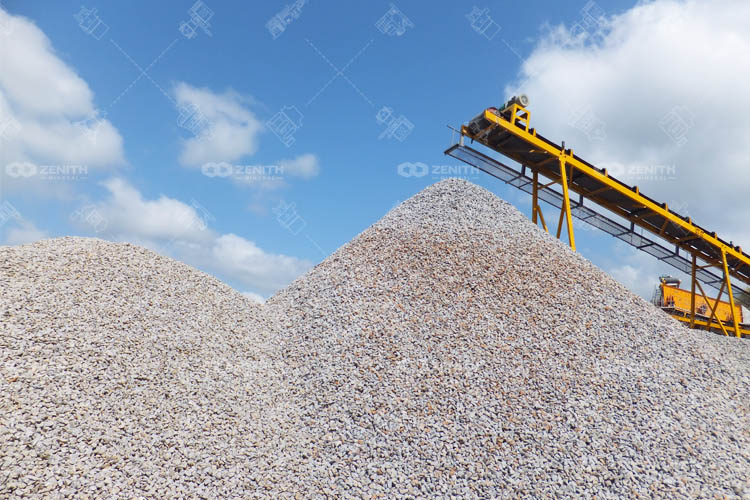
碎石是一种基础建筑材料,广泛用于各种基础设施项目,包括道路建设、建筑基础和混凝土生产。在尼日利亚,由于城市化、政府基础设施项目和私营部门的发展,碎石的需求一直稳步增加。然而,碎石的价格因地点、质量、运输成本和市场动态等因素而差异显著。
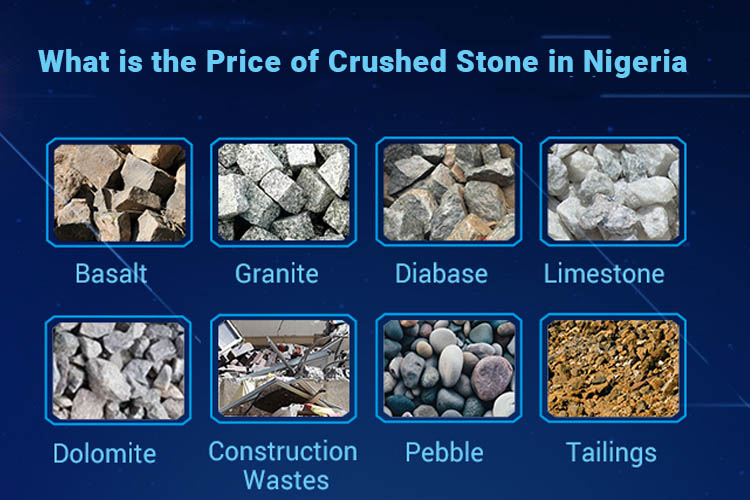
影响尼日利亚碎石价格的关键因素
在尼日利亚,碎石的价格通常在每吨₦2,000到₦8,500之间,但这可能会因多种因素而有很大差异。例如,用于道路路基的基础红土碎石,价格可能低至每吨₦2,000,而适用于高强度混凝土的优质洗净筛选花岗岩骨料,在一些地区的成本可能高达每吨₦8,500或更高。这些价格变动受到多种因素的复杂影响,包括岩石类型、加工质量、地理位置、运输成本、市场需求与供给状况以及监管政策。
地质组成与岩石类型
用于破碎的岩石类型在价格方面具有显著影响,因为其在开采难度、耐久性和适用性方面存在差异:
- 花岗岩尼日利亚最常见的碎石之一,花岗岩因其高强度和耐久性而受到重视。主要在奥贡、安多、卡诺等州开采,花岗岩碎石广泛用于混凝土生产和道路基础。其价格根据颗粒大小(如20毫米、40毫米)和加工质量的不同,价格范围从每吨₦4,000到₦6,500不等。
- 石灰石主要分布在科其、索科托和奥贡州,石灰石较软且容易破碎,适用于一般建设和农业石灰石生产。价格通常在每吨₦3,500到₦5,000之间,但工业用途的高纯度石灰石价格可能高达每吨₦7,000。
- 玄武岩以其耐磨损性能而闻名,玄武岩非常适合用于交通繁忙的道路表面和铁轨道砟。玄武岩采自高原州和包奇州,碎石价格较高,约为每吨₦5,500至₦8,000。
- 赤铁土一种常见的本地材料,红土由于在尼日利亚南部丰富而更为便宜。主要用于道路底基层,价格在每吨 ₦2,000 到 ₦3,500 之间。
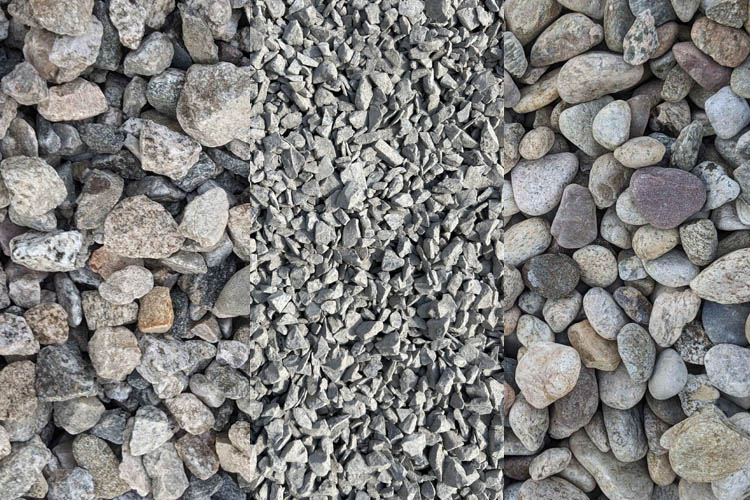
2. 处理与质量分级
碎石的质量由以下因素决定:
- 粒子大小分布: Uniformly graded aggregates (e.g., 10mm, 20mm) for concrete fetch higher prices (₦5,000–₦7,000/ton) than mixed-grade materials (₦3,500–₦5,000/ton).
- 罚款内容: Excessive fines (particles <5mm) reduce usability in concrete, lowering prices by 10–15%.
- 洗涤与筛选: Washed aggregates free of clay and silt command a 20% premium, with prices reaching ₦6,000–₦8,000/ton for high-quality 产品.
3. 地理位置与交通成本
Nigeria’s vast landscape creates significant regional price disparities:
- 西南部州(拉各斯、奥贡、奥约): As the economic hub, these states face high demand and limited quarries, driving prices up. Crushed 花岗岩 here costs ₦5,500–₦7,000/ton, with transportation adding ₦500–₦1,500 per ton for deliveries beyond 50km.
- 北部州(卡杜纳州、卡诺州、Plateau州): With abundant quarries, prices are lower: ₦4,000–₦5,500/ton for 花岗岩. However, transporting materials to southern markets can double the final cost.
- 河流和三角洲州: High humidity and limited quarries lead to premium prices for crushed stone, reaching ₦6,000–₦8,000/ton, plus ₦2,000–₦3,000/ton for inland transportation.
4. 市场需求与供给动态
- 基础设施项目: Government initiatives like the Lagos-Ibadan Expressway and second Niger Bridge have surged demand, pushing prices up by 15–20% since 2023.
- 房地产繁荣像拉各斯、阿布贾和巴希拉克这样的城市的城市化进程增加了对碎石在混凝土和基础工程中的需求,导致供应紧张和价格上涨。
- 季节性波动: Prices typically rise by 10–15% during the dry season (November–April) due to increased construction activity and reduced quarry productivity in rainy seasons.
5. 监管和政策因素
- 采矿许可证: Stringent regulations in states like Lagos and Ogun have reduced operational quarries, limiting supply and increasing prices by 5–10%.
- 环境税: New environmental levies on quarrying (₦200–₦500/ton) in Ogun and Ondo states have added to production costs.
- 进口关税: While Nigeria primarily relies on local crushed stone, imported aggregates (e.g., from China or Europe) face 20% 进口关税, making them less competitive at ₦8,000–₦12,000/ton.
Detailed Price by Crushed Stone 类型
花岗岩碎石
| 等级/尺寸 |
价格区间(₦/吨) |
主要应用 |
地区差异 |
| 40毫米(粗) |
4,000–5,500 |
道路基础,地基骨料 |
在卡诺(₦4,000)更便宜,比拉各(₦5,500) |
| 20毫米(中等) |
5,000–6,500 |
混凝土生产,排水系统 |
阿布扎比的保险费(₦6,500)由于需求旺盛 |
| 10毫米(细) |
6,000–7,500 |
砌筑,装饰性景观设计 |
最高在哈科特港(₦7,500) |
| 清洗及筛选 |
7,000–8,500 |
高强度混凝土,桥梁施工 |
拉各斯和阿布贾市场的价格居高不下 |
2. 石灰石碎石
| 类型 |
价格区间(₦/吨) |
用途 |
著名地区价格 |
| 工业级 |
5,000–7,000 |
水泥生产,化工产业 |
科吉州(₦5,000)对奥贡州(₦6,500) |
| 施工级 |
3,500–5,000 |
砖块生产,道路基层 |
索科托(₦3,500)由于本地采石而更便宜 |
| 农业石灰 |
4,000–6,000 |
土壤调理,肥料生产 |
奥约州(₦4,000)用于本地农民 |
3. 玄武岩及其他专用骨料
| 材料 |
价格区间(₦/吨) |
细分应用 |
地区热点 |
| 玄武岩 |
5,500–8,000 |
轨道碎石,高流量交通道路 |
高原州(₦5,500),原因是当地存款 |
| 赤铁土 |
2,000–3,500 |
低成本道路基础,景观设计 |
三角州州(₦2,000)用于丰富的红土层 |
| 再生混凝土 |
3,000–4,500 |
底基层层,非结构性用途 |
拉各斯(₦4,500)由于废物回收利用计划 |
尼日利亚碎石的成本组成
开采和采石成本
- 许可费: ₦500,000–₦2,000,000 annually for small to medium quarries, depending on state regulations. Equipment Investment: Crushers, excavators, and screening machines cost ₦10,000,000–₦50,000,000, amortized over 5–7 years.
- 劳动力和燃料: Manual labor (₦20,000–₦30,000/day per worker) and diesel fuel (₦600–₦800/liter) for machinery operation.
2. 处理与质量控制
- 破碎与筛分: ₦500–₦1,000/ton for basic crushing; ₦1,500–₦2,500/ton for washed and graded aggregates.
- 检测与认证: ₦20,000–₦50,000 per batch for quality assurance, essential for government contracts.
3. 运输与物流
- Short-Distance (0–50km): ₦500–₦1,000/ton via 5-ton trucks.
- Long-Distance (50–500km): ₦1,500–₦3,500/ton, with additional costs for road tolls and fuel surcharges.
- 散装运输(例如,从拉各斯到哈科特港): ₦2,500–₦4,000/ton via rail or coastal barges, though infrastructure limitations often drive up costs.
4. 市场与分销利润
- 批发到零售的加价: 20–30%, with retailers in urban areas charging higher margins (30–40%) due to competitive demand.
- 政府合同加价: Projects often include a 15–25% premium for certified suppliers meeting regulatory standards.
市场趋势与未来预测
对高品质骨料的需求不断上升
- 基础设施项目: The Nigerian government’s ₦30 trillion infrastructure plan (2023–2028) is expected to drive crushed stone demand by 12–15% annually, particularly for 花岗岩 and 玄武岩 in road and bridge construction.
- 混凝土行业增长: With Nigeria’s cement production reaching 18 million tons/year, crushed stone demand for concrete is projected to increase by 8–10% annually, pushing prices up by 5–7% per year.
2. 可持续发展与回收利用
- 再生骨料: As environmental regulations tighten, 再生混凝土 and asphalt aggregates are gaining traction, with prices expected to fall by 10–15% by 2026 due to economies of scale. Lagos and Abuja now have dedicated recycling plants producing 50,000 tons/month.
- 绿色采矿实践: Quarries adopting water recycling and dust control systems can command a 5–10% price premium in eco-conscious markets.
3. 科技创新
- 自动采矿: Companies like Lafarge Africa are introducing automated crushers and drones for quarry mapping, reducing labor costs by 20% and potentially lowering prices by 5–8% in the long term.
- 数字市场: Online platforms connecting quarries to contractors (e.g., BuildTrack Nigeria) are reducing middleman markups by 15–20%, leading to more transparent pricing.
4. 宏观经济因素
- 汇率波动: A depreciating naira (₦750–₦800/USD in 2025) increases the cost of imported quarry equipment, potentially raising production costs by 5–10%.
- 通货膨胀的影响: Nigeria’s high inflation (18–20% in 2025) drives up 劳动力和燃料 costs, contributing to annual price increases of 7–9% for crushed stone.


 WhatsApp

 全天候在线
全天候在线