How to Set Up a Small-Scale Gold Processing Plant?
Small-scale gold processing operations are a critical part of the mining industry, especially in regions where large-scale mining is not feasible. Many artisanal miners and small-scale miners around the world depend on simple, yet effective methods of extracting gold from ores. Setting up a small-scale gold processing plant involves understanding the basic principles of gold extraction, identifying the right equipment, and considering the local economic, environmental, and regulatory conditions.
In this article, we will provide a detailed guide on how to set up a small-scale gold processing plant, from the initial stages of research and planning to the installation and operations of the plant.
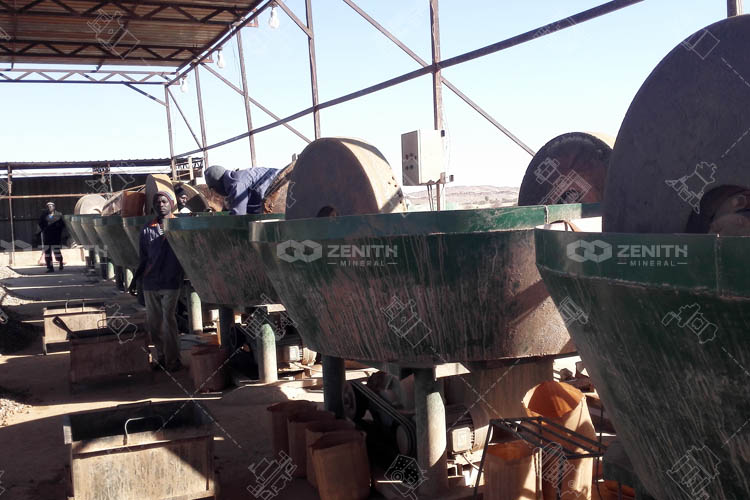
1. Understanding Small-Scale Gold Processing
Small-scale gold processing refers to the methods and operations used by small mining companies or artisanal miners to extract gold from ores using simple techniques and equipment. Unlike large-scale mining, which involves heavy machinery and sophisticated technology, small-scale gold processing is often done manually or with small, inexpensive machines that require less capital investment.
Gold extraction methods in small-scale operations include gravity separation, Gravity with Intensive Leaching, cyanidation and flotation, with gravity separation being the most common due to its simplicity and low cost.
2. Conducting Feasibility Studies and Site Selection
Before setting up a small-scale gold processing plant, it is crucial to conduct a thorough feasibility study. This study will provide insights into the following:
- Gold Ore Quality: Assess the quality of the gold ore in terms of gold content, particle size, and mineral composition. This will help determine the most appropriate processing method.
- Environmental Impact: Consider the environmental impact of the processing plant, including water usage, chemical disposal, and waste management.
- Regulatory Requirements: Check local laws and regulations regarding small-scale mining, including permits for land use, environmental protection, and mining activities.
- Logistics and Infrastructure: Ensure that the site is accessible for transportation, water supply, and power. The proximity to the mining source and local markets for selling gold is also important. A proper feasibility study will help you avoid costly mistakes and ensure the project's long-term sustainability.
3. Selecting the Right Gold Processing Methods
The choice of processing method depends on the characteristics of the gold ore, such as its hardness, the presence of other minerals, and the amount of gold it contains. The most common methods for small-scale gold processing include:
a) Gravity Separation (Ideal for Free-Milling, Coarse Gold):
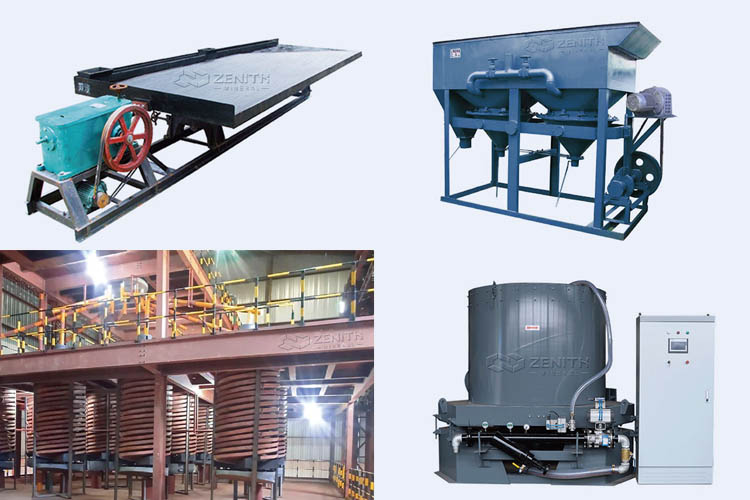
Gravity separation is the simplest and most cost-effective gold extraction method for small-scale miners. It relies on the difference in density between gold and other minerals. Gold, being dense, settles faster than lighter materials. This method typically uses equipment such as:
- 振动台: These are slanted tables with grooves where heavy materials (such as gold) are concentrated while lighter materials are washed away.
- Jig Concentrators: Jigs use pulsating water to separate heavier materials from lighter ones.
- Centrifugal Concentrators: These devices use centrifugal force to separate gold particles from lighter materials.
Process Flow: Ore → Crushing (颚式破碎机) → Grinding (Hammer Mill or Ball Mill) → Gravity Concentration (Shaking Table, Spiral Concentrator, Centrifugal Concentrator like Knelson or Falcon) → Gold Concentrate.
Final Gold Recovery: The gold-rich concentrate (typically 1-5% of original feed weight) is then
优点: Low CAPEX/OPEX, minimal chemicals, simple operation.
缺点: Lower recovery on fine or sulfide-locked gold.
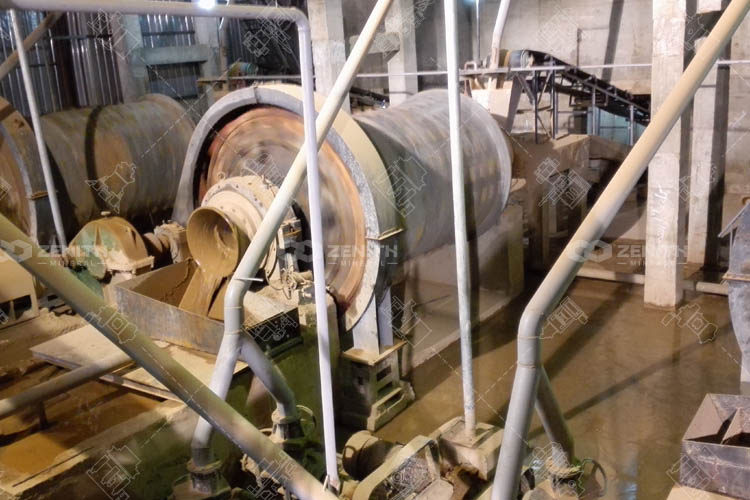
b. Gravity with Intensive Leaching (For Fine Gold in Gravity Concentrate):
Enhances recovery from the gravity concentrate.
Process Flow: Ore → Crushing → Grinding → Gravity Concentration → Intensive Cyanide Leaching of concentrate (in a dedicated reactor like an Acacia or Gekko system) → Carbon Adsorption/Electrowinning
优点: Higher overall recovery than gravity alone, still relatively small chemical footprint.
c. Cyanidation (Cyanide Leaching) for Refractory or Fine Gold:
Cyanidation is a chemical process used to extract gold from low-grade ores that cannot be treated using gravity separation or flotation. The process involves mixing finely ground ore with a cyanide solution that dissolves the gold. The solution is then processed to extract the gold.
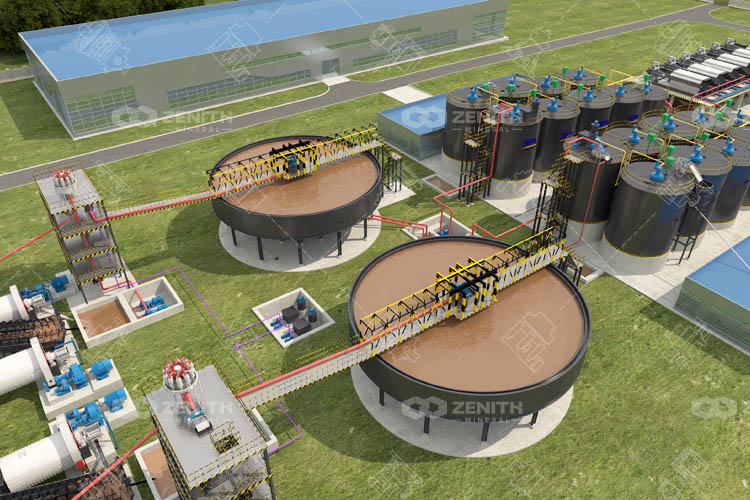
Process Flow: Ore → Crushing → Grinding → Leaching in Tanks with Cyanide → Carbon-in-Pulp (CIP) or Carbon-in-Leach (CIL) (where activated carbon absorbs the gold) → Carbon Elution & Electrowinning
优点: High recovery for a wide range of ore types.
缺点: Higher CAPEX/OPEX, complex operation, strict safety and environmental controls for cyanide handling. Requires skilled operators.
另请阅读:金矿石CIL选矿厂
d. Flotation for Sulfide Ores:
If gold is locked in sulfide minerals, flotation may be needed to create a sulfide concentrate for sale or further processing.
Process Flow: Ore → Crushing → Grinding → Froth Flotation → Gold/Sulfide Concentrate → Shipping or On-site leaching.
注意: Small-scale flotation plants are complex and often less economical at a very small scale (<50 tpd).

4. Small-Scale Gold Processing Equipment
Once the processing method is selected, the next step is to acquire the necessary equipment. Small-scale gold processing plants typically require several key pieces of equipment, including:
- Crushers: Used to break down gold-bearing rocks into smaller particles. 颚式破碎机s and hammer mills are commonly used for small-scale operations.
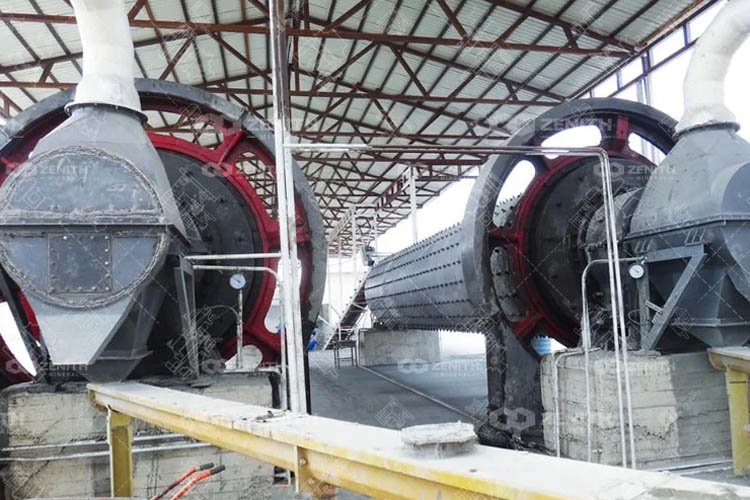
- 球磨机: For grinding ore into fine powder, which is essential for subsequent processing methods like gravity separation or cyanidation.
- Concentrators: These include shaking tables, centrifugal concentrators, or jigs used for separating gold particles from the processed ore.
- Leaching Tanks: For cyanidation, leaching tanks are necessary for holding the cyanide solution and ore mixture.
- Gold Recovery Equipment: This includes filters, sluices, and other tools to recover gold from concentrated materials.
When sourcing equipment, it is essential to consider:
- 容量: Ensure the equipment can handle the amount of ore you intend to process.
- Quality: Opt for reliable and durable equipment to reduce downtime.
- Local Availability: It is often more cost-effective to source equipment locally or from regional suppliers.
5. Setting Up the Gold Processing Plant
The actual process of setting up the plant involves the following key steps:
a) Layout and Infrastructure
- Site Planning: The layout should optimize the flow of materials from one stage to the next (e.g., from crushing to grinding to concentration). A good layout helps minimize delays and ensures smooth operations.
- Power Supply: Small-scale gold processing plants require reliable power sources. Options include diesel generators, solar power, or grid electricity, depending on local availability.
- Water Supply: Water is crucial in most gold processing methods. The plant should be located near a water source, or provisions should be made for transporting water to the site.
- Waste Disposal: Establish a waste management plan, especially for cyanidation plants, which generate toxic waste. Proper disposal methods should be in place to avoid environmental contamination.
b) Installation and Commissioning
- Equipment Setup: Install all the necessary equipment according to the plant layout. Ensure that crushers, mills, concentrators, and recovery equipment are properly calibrated and in good working order.
- Trial Runs: Before starting full-scale operations, conduct trial runs to ensure everything is functioning correctly. Test different processing methods and adjust the setup if necessary.
- Safety Measures: Ensure the plant has adequate safety measures, including protective clothing for workers, proper ventilation for toxic fumes, and emergency protocols.
6. Sustainable Operation and Optimization
a). Daily Operation:
- Process Control: Monitor key parameters: feed rate, grind size (via screen analysis), pulp density, pH, and reagent levels.
- Metallurgical Accounting: Regularly sample and assay plant feed, tails, and concentrate to calculate and track recovery. Recovery is your most important KPI.
- Maintenance: Implement a daily check and weekly preventative maintenance schedule. Spare parts for critical components (crusher jaws, pump impellers) must be on site.
b). Tailings and Environmental Management:
- Tailings Storage Facility (TSF): This is a non-negotiable engineering structure. For small scale, a lined pond with secure embankments is minimum. Plan for water recycle.
- Cyanide Management: If used, follow the International Cyanide Management Code. Have detoxification systems and emergency response plans in place.
- Water Management: Aim for zero-discharge by recycling process water. Monitor water quality.
c). Safety and Health:
- Chemical Safety: MSDS for all reagents, proper PPE (gloves, goggles, respirators).
- Dust Control: At crushing and conveying points.
- Training: Regular safety drills, first-aid training.
Keys to Achieve Success in Small-Scale Gold Processing
Successfully establishing and operating a small-scale gold processing plant requires dedication, careful planning, and continuous improvement. Here are five critical strategies for achieving sustainable and profitable operations:
- Thoroughly Evaluate Ore: Before investing in equipment, conduct rigorous testing of your ore. This ensures that you understand its characteristics and select the appropriate processing methods, leading to more efficient recovery of gold.
- Focus on Recovery Rates: Prioritize improving the recovery rates of gold over simply increasing the volume of processed ore. High recovery rates result in greater yields and profitability, even if you process smaller quantities of ore.
- Develop Your Workforce: Continuously invest in training your team. Skilled and knowledgeable workers are vital to efficiently operating machinery, maintaining safety standards, and optimizing the overall performance of the plant.
- Plan for Sustainable Operations: From the start, incorporate environmental management and tailings management strategies. Plan for the long-term sustainability and eventual closure of your site to minimize environmental impact and comply with regulations.
- Keep Detailed Records: Maintain meticulous documentation of all facets of your operations, including production data, costs, and metallurgical results. This enables you to analyze performance, identify areas for improvement, and make informed decisions.
By adhering to these principles, small-scale operators can transition from speculative mining to running a professional, sustainable, and financially viable processing operation. Such an approach not only enhances the likelihood of success but also contributes positively to local economies and the broader mining industry.


 WhatsApp

 全天候在线
全天候在线