花岗岩 is one of the most popular and enduring natural stones used worldwide, prized for its strength, beauty, and versatility. Over millions of years, 花岗岩 has been formed deep within the Earth’s crust, creating a rock with unique characteristics that suit it perfectly for applications ranging from monumental architecture to everyday kitchen countertops.
This article explores 花岗岩’s geological origins, its characteristics, how it is processed and cut, its various applications, and a comparative overview of 花岗岩 versus quartz in terms of cost and utility.
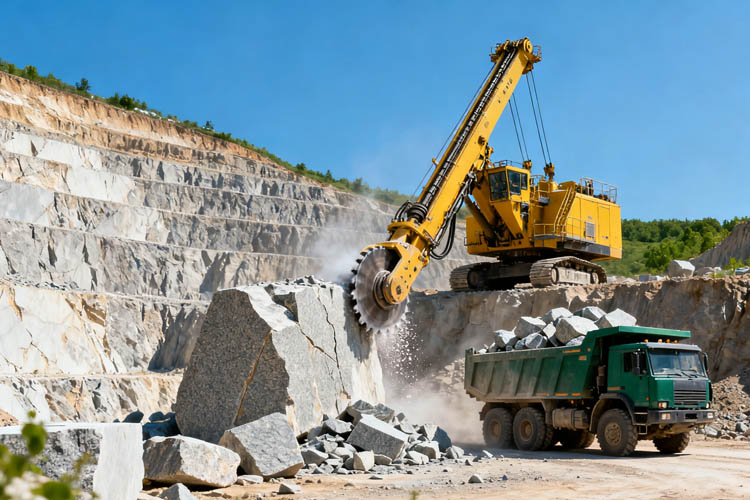
花岗岩 is a igneous rock, more specifically classified as a coarse-grained intrusive igneous rock. This classification categorizes it as one that crystallizes slowly beneath the Earth's surface from molten magma, allowing large mineral crystals to form.
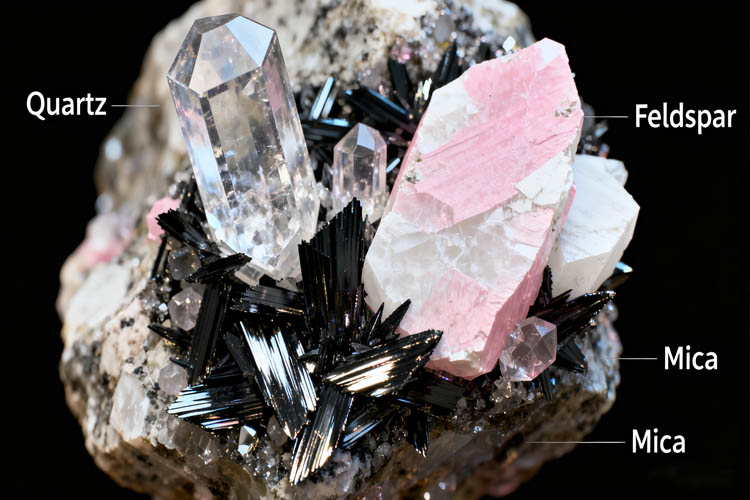
花岗岩 primarily consists of quartz, feldspar (both orthoclase and plagioclase), and mica (biotite or muscovite). Quartz contributes to 花岗岩’s hardness and resistance to weathering, feldspar adds to the rock’s coloration and texture, and mica provides reflective qualities.
| Property | 矿物价值 | Processing Impact |
|---|---|---|
| 矿物成分 | Quartz (20%–60%), Feldspar (Orthoclase/Plagioclase), Mica (Biotite/Muscovite) | 高含石英使花岗岩在破碎过程中非常磨蚀。 |
| 莫氏硬度 | 6.0 – 7.0 (High Hardness) | 需要重型主颚式破碎机和二级圆锥破碎机。 |
| 抗压强度 | 150 – 250 MPa (MegaPascals) | 结构混凝土和碎石的优异承载能力。 |
| 二氧化硅含量 (SiO₂) | 70% – 77% (High Silica / Acidic Rock) | 破碎锰衬板的磨损;需要低磨损的圆锥破碎。 |
| 冷却和形成深度 | Plutonic formation (1.5 to 50 km beneath Earth's surface) over millions of years | 形成具有零解理的粗粒、互锁的晶体结构。 |
花岗岩’s durability and strength come from its unique 矿物成分 and crystalline texture. This makes 花岗岩 resistant to abrasion, weathering, and chemical attack, which explains its long-lasting use in construction and decorative arts.
花岗岩's origin story stretches back hundreds of millions to billions of years, involving complex geological processes beneath the Earth’s surface.
花岗岩 forms intrusively — that is, from magma that cools and solidifies deep underground, rather than erupting as lava on the surface like volcanic or extrusive igneous rocks.
逐步形成:
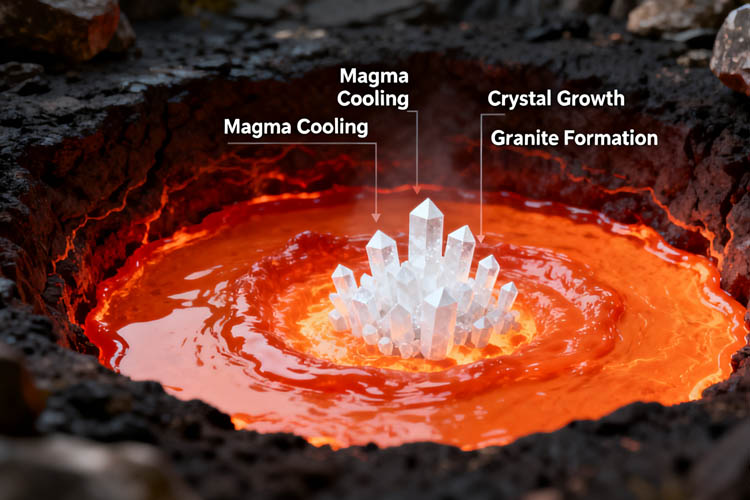
花岗岩 is commonly associated with continental collision zones and subduction zones, where tectonic plates converge, leading to thickening of the crust and magma formation. 花岗岩 batholiths — vast underground bodies of 花岗岩 — form in such areas.
著名的花岗岩地形示例包括:
花岗岩’s incredible hardness poses special challenges when it comes to cutting and shaping it for practical use. Cutting 花岗岩 requires specialized tools and careful techniques to maintain precision and prevent cracking.
金刚石刀片锯
用来切割花岗岩的最常见工具是镶有钻石的刀片锯。
2. 钢丝锯切割
钢丝锯使用镶嵌有金刚石珠子的钢绳。
3. 水射流切割
一种更新、更具技术先进性的选项,水刀切割使用高压水与磨料材料混合。
4. 数控加工
数控机床(CNC)配备金刚石刀具,能够实现复杂的成型、边缘轮廓和抛光,具有自动化的精确度。
由于其耐用、美观和多功能性,花岗岩在建筑、装饰和工业中有广泛的应用。
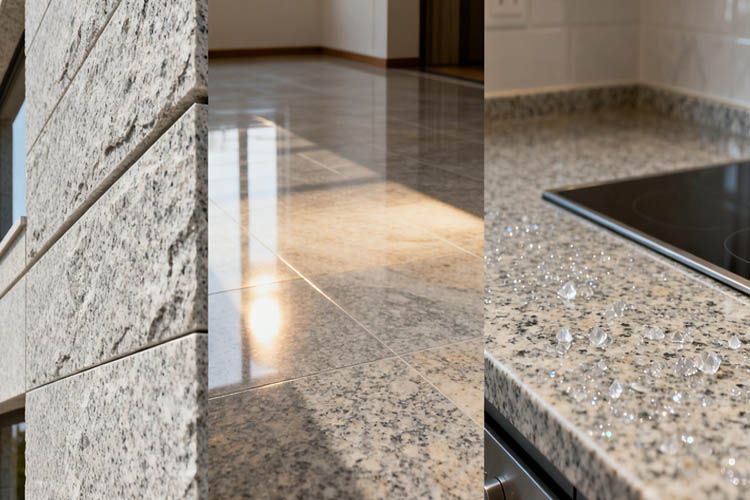
石材台面市场通常将天然花岗岩与人工合成石英进行比较,成本是消费者的重要考虑因素。
摘要:石英并不总是比花岗岩便宜;成本差异很大。消费者常根据审美偏好、维护意愿和预算进行选择。
花岗岩由于其独特的起源、特性和多样性,仍然是天然石材的基石。了解其形成、成分和应用,有助于理解为什么花岗岩在各个行业中仍然是受青睐的材料。与石英相比,花岗岩具有自然的美感,但需要一定的维护;而石英则提供了均匀的外观和便于保养。根据预算、偏好和使用场景,这两种材料各有其适用之处。

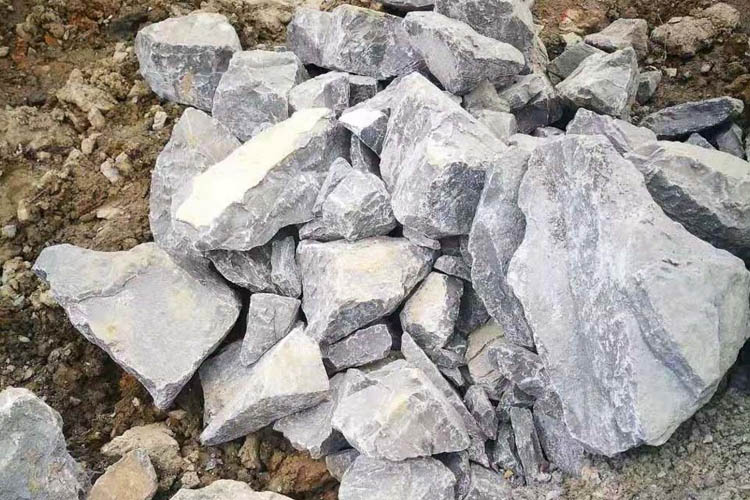
探索关于石灰石的五个迷人事实,包括它的形成、在各行业中的用途,以及它的地质和考古意义。
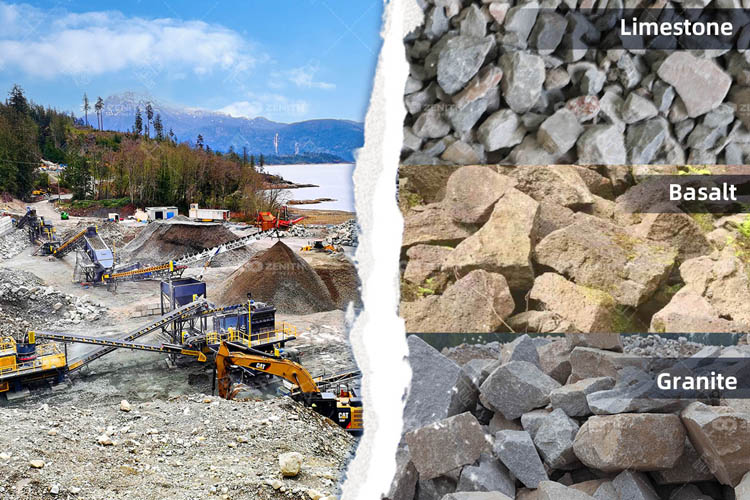
学习石灰石、花岗岩和玄武岩的最佳破碎技术。了解设备选择、工艺优化以及材料加工行业的趋势。
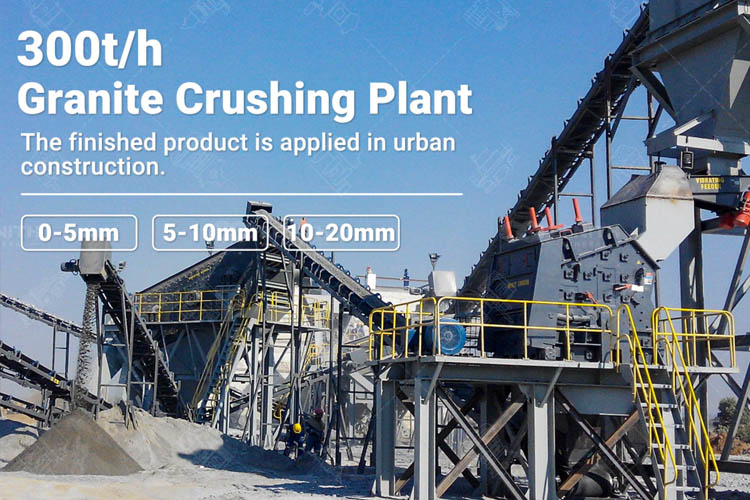
由于花岗岩的高品质,由花岗岩制成的机制沙在沙石领域非常受欢迎。并且由于其高硬度,在选择花岗岩破碎机时应当谨慎。
请在此填写您的需求,我们将通过预留的联系方式向您发送定制方案和报价。
版权所有 ©2000-2026 上海天择矿业有限公司

 WhatsApp

 全天候在线
全天候在线