The construction industry in Malaysia has been booming in recent years, fuelled by large-scale infrastructure projects and the rapid pace of urbanization across the country.
This construction boom has created a huge demand for various construction materials like gravel, crushed stone, sand and cement. Domestic suppliers have struggled to keep up with the massive material requirements of Malaysia's growing number of projects. The annual demand for construction aggregates in Malaysia is estimated to reach 200 million tons by 2025. Meeting this burgeoning need in a cost-effective manner requires efficient production and transportation of aggregates.
Traditionally, most aggregate producers in Malaysia relied on stationary crushing plants located near extraction sites to process raw materials. While 静止破碎机s offer higher production capacities, their immobility poses challenges for remote mining operations and construction projects requiring frequent plant relocation. Moreover, developing new permanent crushing facilities entails high initial infrastructure costs and long lead times to start operations. This traditional model is ill-suited for the adaptable, rapid-paced construction sector.
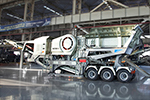
To address the unique demands of Malaysia's construction-driven aggregates industry, 移动式破碎机s have become increasingly popular. 移动式破碎机s mounted on trailers or skids provide unmatched flexibility compared to stationary plants through their portable, modular design. Equipped with the same powerful internal processes and components as stationary plants, they can achieve similar high production outputs while retaining easy mobility between sites.
All primary 移动破碎站s - including 颚式破碎机s, 冲击式破碎机s and 圆锥破碎机s - are self-contained within a compact footprint. They integrate feeding hoppers, the crushing chamber, conveyor belts and internal stockpiles to form self-sufficient crushing units. Depending on models, 移动式破碎机s can be easily transported between locations on either wheeled trailers for highway travel or tracked undercarriages suited for off-road terrain.
Setting up a 移动式破碎机 only takes a few hours, from initial site preparation and deployment to full commissioning. With quick installation times compared to stationary facilities requiring long lead construction schedules, 移动式破碎机 allows faster start-ups of material production when needed. Their compact modular builds also eliminate the need for permanent concrete plant platforms or extensive supporting electrical/piping infrastructure typically associated with stationary crushing facilities.
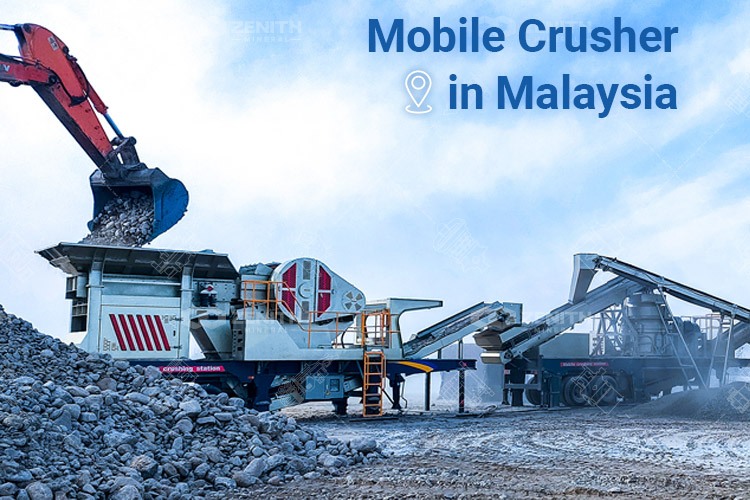
Perhaps the biggest advantage of 移动式破碎机s is their unmatched mobility and maneuverability. Compared to stationary plants permanently locked to a single location, 移动式破碎机s provide unconstrained access wherever aggregates are mined, excavated or recycled. As primary crushing units, mobile 颚式破碎机s can easily be transported directly to remote quarries, mines and infrastructure project sites across even the most difficult to access areas of Malaysia.
This mobility delivers multiple tangible benefits. For mining contractors and quarry operators, it allows liberation from dependency on fixed crushing facilities. Mobile units can follow mining excavators right into extraction zones for immediate processing of freshly blasted rocks. This results in lower material haulage and stockpile areas compared to first transporting raw material.
For construction projects, 移动式破碎机s grant flexibility to take crushing directly to work sites. No longer do contractors need to haul excavated materials long distances to stationary crushing facilities, incurring high cartage costs. Temporary crushing for impermanent operations like dam, road or railway construction is optimally achieved through mobile plants. Their self-propelled design eliminates added handling and movement of unprocessed feed material across multi-phased infrastructure projects.
By crushing aggregates at or near the point of excavation, 移动式破碎机s deliver substantial savings through avoiding excessive material movement. As per studies, transportation accounts for up to 30% of the total project cost for construction and mining ventures. Leveraging their mobility to position crushing activities strategically minimizes transportation needs and associated expenses.
Stationary crushing facilities usually employ large fleets of dump trucks to carry feed materials over long haul routes. But with a mobile 颚式破碎机 setup, the same volume of aggregates can be processed much nearer extraction zones using just wheel loaders or excavators for short-distance on-site transfers. This greatly reduces fuel consumption and wear-and-tear on heavy equipment.
According to manufacturers, for a typical quarry operation processing 250-500 tonnes of basalt per hour, choosing on-site mobile crushing over stationary plants located 5-10 km away translates to estimated annual savings upwards of RM250,000. For large construction projects requiring multiple aggregate loads daily across variable terrain, 移动式破碎机s can outcompete stationary facilities by slashing cartage bill by 20-30%. Overall project costs diminish, freeing up funds for other priority areas.
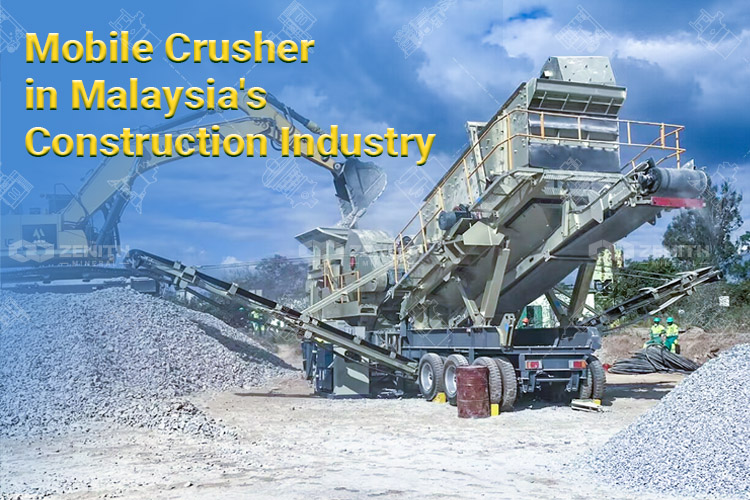
Another core benefit of 移动式破碎机s lies in their industry-leading rapid setup and commissioning capabilities. Unlike stationary plants requiring substantial construction timescales to develop reinforced concrete plinths, installation of permanent buildings and electromechanical link-ups, mobile plants arrive on compact trailers in a plug-and-play format.
Modern self-propelled mobile 颚式破碎机s can be fully operational within just 4-6 hours of arrival, providing an accelerated path to commencing material processing. For construction projects with tight deadlines, shortened timeframe between site handover and material availability is invaluable. Equipment erection is streamlined to only leveling and stabilizing the unit base via outriggers.
Quick setup allows interim crushing during plant relocations as well. Stationary facilities may necessitate weeks of dismantling and rebuild at new sites; 移动式破碎机s simply require a day's travel while continuing crushing uninterrupted. This unlocks continuous fed work even amid plant transfers for mining contractors diversifying asset usage and boosting margins. Project developers also benefit from swifter material supply enabling faster construction pace.
As fully autonomous, self-contained production centers, 移动式破碎机s eliminate the capital cost burden associated with building fixed crushing plant infrastructure. Tough structural pads, heavy foundations, equipment shelters, control rooms and permanent power/piped services are unnecessary.
Mobile plants arrive factory-equipped within rugged, weatherproof housing readily transportable on rolling assemblies. Only a compact work area needs preparing - no multi-million dollar permanent structures or long-term land acquisitions. For medium and small-scale crushing demand that does not warrant higher-capacity stationary facilities, 移动式破碎机s emerge as the lower-cost investment.
Compared to 静止破碎机s requiring sunk civil engineering investments before any returns, mobile units provide immediate positive cash flows from day one of operation. Leasing options are also available where capital costs transition to monthly rental payments. Overall, 移动式破碎机s’ minimized installed costs lower the bar for entry, boosting participation in Malaysia’s lucrative aggregates sector.
While self-contained, 移动破碎站s are not confined to fixed production capacities. Modular equipment configurations allow scaling aggregate outputs up or down via selecting plant models suited for specific throughput needs. Operators can ‘right size’ their crushing fleets to align with varying demand levels over project or seasonal cycles.
From compact 50-100 TPH units for small jobs to high-capacity 700-1000 TPH plants for mega projects, 移动式破碎机s ensure continuity of operations by scaling processing outputs on demand. Adding or swapping modules enables easily augmenting capacity without major re-investment compared to conventional 静止破碎机s.
The interchangeability of crushing and screening units provides further flexibility. For example, bolting a secondary impactor behind a primary 颚式破碎机 adds a second stage of size reduction. Or fitting triple-deck 振动筛s instead of double-deck versions expands finished product specifications. This allows customizing aggregate specifications more dynamically in response to changing market conditions or contract tenders.
While capital costs are lower for 移动式破碎机s, their edge truly shows in remarkably lower operating costs per tonne of material processed. Not only is valuable productivity maximized through mobility’s transportation savings and rapid commissioning advantages, running costs remain slashed too.
Studies indicate power consumption as a percentage of total operating expenses is up to 30% lower compared to stationary plants, bolstering a 移动式破碎机’s superior economics. Simpler installation lowers downtime from setup/relocation too, boosting asset utilization. Fewer civil works also curtail maintenance visits and repairs.
Annual spend on supplies like conveyor belts, pipework, building components is non-existent due to fully prefabricated builds. Fuel consumption declines sharply as energy-intensive material shuttling over long distances is minimized. With reduced infrastructure reliance, repair/refurbishment charges stay contained.
Leveraging their high efficiencies, OEM manufacturers estimate average per-tonne operating costs across varied quarrying are 25-50% cheaper versus conventional fixed plants. Lower expenditures per crushed ton elevate margins sustainably across all environments - construction, mining, demolition - for Malaysian contractors.
Short-term, temporary crushing demanded by many construction activities represents a prime application for 移动式破碎机s' versatility. Whether roadwork, dam construction or railway extension, projects requiring periodic shifting of operations bases are catered exceptionally well.
Instead of expending resources developing fully-fledged stationary sites that will have limited lifespans matching project schedules, contractors rapidly deploy mobile 颚式破碎机s exactly where needed for the duration. No cumbersome disassembling, relocation or reconstruction headaches.
Being tailor-made for seasonal, time-bound operations, 移动式破碎机s ensure consistent material provision right up to project handovers. Any leftover equipment simply travels to its next job with zero asset write-downs. Adaptable, temporary crushing proves supremely cost-optimized in Malaysia's project-driven construction sector.
Thanks to their track or wheel mounts, 移动式破碎机s present a field-proven solution for mining and quarrying of aggregates occurring in geographically remote, challenging to access locations unviable for stationary sites. Terrain representativity becomes irrelevant as equipment readily navigate on robust undercarriages.
Malaysia contains vast virgin mining regions deep within tropical rainforests and along steep mountain roads where fixed plant installations would face severe logistical nightmares. But 移动式破碎机s easily traverse winding jungle routes to mining faces high in the Cameron Highlands or atop Mount Kinabalu, crushing directly at source.
Reliable access ensures continuous production despitesite restrictions, boosting offtake for difficult vein quarrying projects important to national development schemes. Contractors avoid resource supply disruptions otherwise inevitable without capable mobile crushing backup. Remote operability further makes viable extraction zones hitherto considered uneconomical. Malaysia’s aggregate reserves are truly unlocked through these powerful, go-anywhere machines.
What sets 移动式破碎机s apart is their factory-engineered structural durability for transportation between worksites. Heavy-duty frames, axle assemblies, wheel/track configurations are standardized for highway/inter-district haulage at maximum regulated loads and speeds with minimal disassembly.
Retractable outriggers, jacking legs fold neatly within plant footprints during transit for compact dimensions meeting width/height regulations. Light towing configurations mean equipment does not require specialized escort vehicles like load-carrying trailer trucks for stationary plants. Shipping is more seamless from a single standard trailer.
Modular crushing chambers, powerpacks and conveyors are sectioned for simple assembly-disassembly by minimal manteams. Electrical cabinets, pipework looms clip together cleanly. Prepared plant foundations await quick installation. Overall, relocating a 500-ton mobile unit between sites takes but a single day.
Such optimized transportation logistics ensure ready availability at short notice whenever demand dictates an area shift. Contractors accomplish rapid scaling up across dispersed project sites nation-wide, multiplying resource value. Built-in mobility engineering returns consistent profits for owners.
An often overlooked yet important upside for 移动式破碎机 buyers lies in equipment resale potential post-service-life compared to stationary assets. Well-maintained mobile units demand high secondary values thanks to broad multi-industry usability and scarce used availability.
Crushers easily find second or third owners after initial 10-15 years due to universal construction/mining applicability. Limited units enter the used market each year versus many stationary plants scrapped after single-project use before obsolescence. Attractive residual values let investors recoup 60-70% of investments.
Global demand further boosts returns. Southeast Asian contractors and mine operators constantly seek high-quality used models for project executions across continents. Export potential even to developed construction markets like Australia and the Middle East protects mobile plant holdings as valuable long-term assets instead of sunk costs. In summary, 移动式破碎机s emerge as superior long-run investments.
In conclusion, 移动式破碎机 has revolutionized Malaysia's construction aggregates sector through beneficial flexibility, economy and performance. Their user-friendly modular builds, unconstrained site access and optimized logistics deliver unmatched advantages. Contractors gain maximum material processing value from minimally-fixed infrastructure that scales outputs up/down with changing needs.

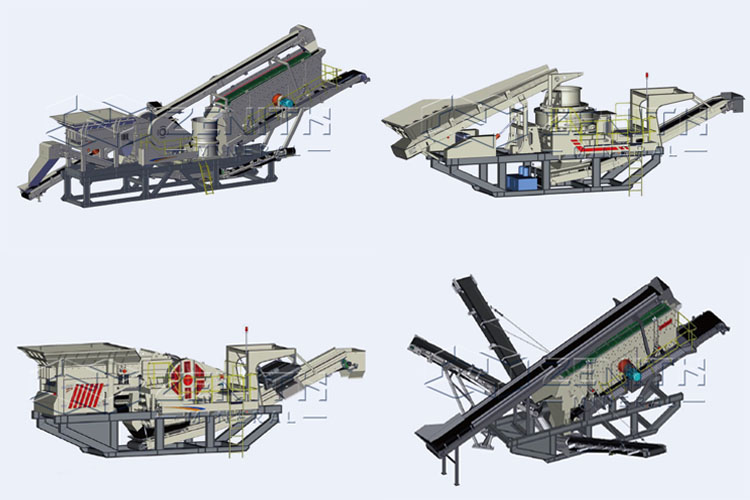
了解在马来西亚购买移动破碎机和筛分设备时需要考虑的关键因素。从材料特性到运营成本,确保您做出明智的决定,以实现最佳的生产效率。
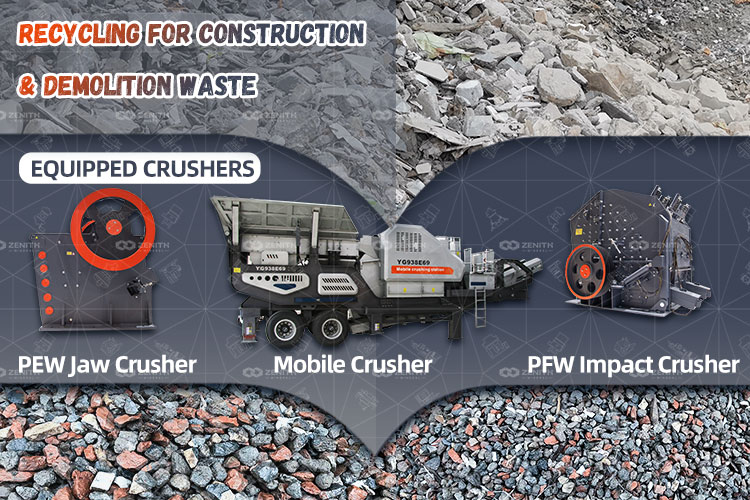
破碎和筛分设备是建筑废料回收的关键。对于建筑废料处理,ZENITH推荐使用移动式破碎机。
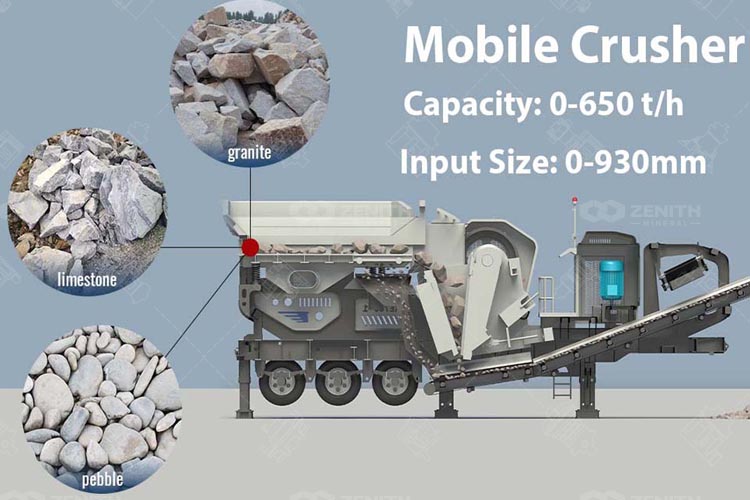
移动破碎机在南非非常受欢迎,这帮助我们的客户创造了巨大的价值,那么这台设备的魔力在哪里呢?
请在此填写您的需求,我们将通过预留的联系方式向您发送定制方案和报价。
版权所有 ©2000-2026 上海天择矿业有限公司

 WhatsApp

 全天候在线
全天候在线